So we survived the 21 hour bus ride to Lima and spent our last few days in Peru checking out the capital city. Lima's huge and sprawling, set in the desert and bordered by cliffs dropping into the Pacific. We stayed in Miraflores, a swanky neighborhood along the coast. On our last day in Peru we went to the center of Lima and checked out the capital buildings and took a tour of a Franciscan Montastery and the catacombs underneath it. The catacombs were the cemetary for the monks and the general public for a few hundred years - and it is still filled with heaps and piles of human bones, mostly arm and leg bones and skulls. The rest of the bodies and bones have disintegrated away by now, although the current monks are still buried there. And all in creepy underground tunnels. So that was sweet, and a little unsettling, so we decided to settle ourselves with an awsome lunch in China Town. Lima's China Town is a bustling section of pedestrian streets, full of men carrying boxes about on dollys (because trucks can't get in) and Chinese restaurants. The only thing missing was Chinese people, there were hardly any. It was weird. The food did not suffer for it, though, maybe all the Chinese people were in the kitchens, lunch was great.
Then we flew to San Jose, Costa Rica, the last stop of the trip. Our first night Luis Carlos (my uncle Mario's brother) and his family hosted us in their beautiful house in San Jose. Mario happened to be in country, to accept and award for business innovation from one of the leading financial newspapers here, so it was nice to see him as well. Our first night we tried to check out music in one of Mario's favorite spots, the Jazz Café, but they'd just sold out when we got there. The next day we took a bus for the beach town, Manuel Antonio.
In Manuel Antonio we are staying at a hostel called Vista Serena, and it's no lie, this place has an amazing view of the ocean, especially around sunset. Our second day here we went to the national park, where we hiked through the jungle and saw two and three toed sloths, tons of monkeys, all kinds of interestingly colored birds, and a Jesus Christ lizard. We saw the lizard run up on its hind legs, which makes it look like a dragon, but thought maybe it was just a really peaceful lizard or something, is how it got it's name. But no. The Jesus Christ lizard (we didn't see, but later found out) can run on water. Amazing.
Yesterday and today we headed to a little out of the way beach here that a British scuba instructor who has lived here for 6 months told us about. It's quiet, in a beautiful cove, and has good shade (important as we've gotten a bit pink). That same British guy lent us snorkels and flippers, so we got to snorkel around and see lots of sweet fish and even an octopus. Today we went out and just lounged and swam about. It is beautiful here.
 We keep thinking about places we might move on to, but we're enjoying ourselves so much here in Manuel Antonio we haven't yet found the motivation to go. Maybe tomorrow. Probably not.
It's pretty hard to believe we are going to be home in a week now, and apparently it's all wintery up there. Going to be quite a shock to the system. But we're stoked to be home for christmas and see everyone.
Love to all,
C & A


 An earthquake in 2007 destroyed much of the city, destroying around 80% of the homes and killing roughly 600 people (although many more died later from water contamination from the sewage and water lines mixing). Burners Without Borders came to Pisco soon after the quake to help with disaster relief and when they left 12 months later PSF emerged as a replacement NGO. It was an incredible group to be a part of, even for a short time. There are between 30 and 60 volunteers at any point- and people can stay for as long or short as they want. Many plan to stay for days and end up staying for months. People live in a communal house (although we opted to stay in the hostel around the corner) and breakfast and dinner are cooked by volunteers and eaten together. Lunch is usually provided by the family at your worksite, which is a nice way to get to know the families you are helping. Here´s a picture of the part of town where we were staying.
 The living situations of so many people in Pisco are heartbreaking. So many of the neighborhoods are nothing more than shanty towns made from woven bamboo mats, cardboard, paper mache and whatever other materials the families can scrounge up. Many people live on dirt or sand floors that are often full of glass, trash and animal feces. PSF helps by providing free labor to families who have the materials to construct or improve their homes. Some of the standard projects involve leveling ground for a foundation, pouring cement, building new homes, constructing community bathrooms and so forth. Andy went around with one of the main, long-term volunteers to talk to families about the work they need done. Apparently within months the organization has switched from actively searching out new projects to having a 2 to 3 month waiting list. Here´s a picture of a typical neighborhood where we worked.
 Also, PSF has recently started a Miracle Fund to help families who cannot afford either the labor or the materials for the work they need completed. Two volunteers, who trained as architects, designed a prototype for a home made out of bamboo poles- a bit sturdier than the bamboo mats and cheaper than bricks- which was the first miracle fund project. It was just finished as we left Pisco. In the future PSF hopes to focus the Miracle Fund on building community bathrooms, which are desperately needed and significantly benefit many of the community members where they are constructed. If the holiday mood has you feeling generous PSF and the Miracle Fund are always in need of


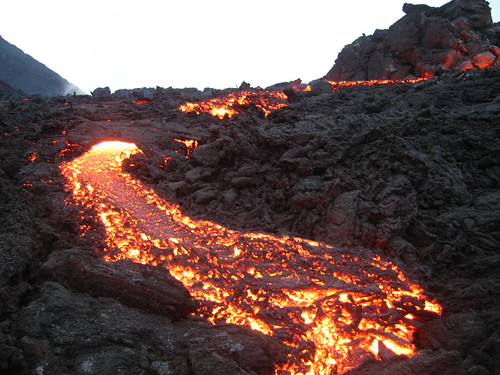 Now we are getting ready for our flight tomorrow morning for Peru. Cassie says she is going to go back through this and loot more pictures from the internet, to give a better idea of where we've been.