So much to report since the last post! We got to Peru on the 10th, spent the night in Lima, then caught a bus the next morning down the coast to Pisco, where we spent the last 10 days volunteering with an incredible organization, Pisco Sin Fronteras (PSF).
 An earthquake in 2007 destroyed much of the city, destroying around 80% of the homes and killing roughly 600 people (although many more died later from water contamination from the sewage and water lines mixing). Burners Without Borders came to Pisco soon after the quake to help with disaster relief and when they left 12 months later PSF emerged as a replacement NGO. It was an incredible group to be a part of, even for a short time. There are between 30 and 60 volunteers at any point- and people can stay for as long or short as they want. Many plan to stay for days and end up staying for months. People live in a communal house (although we opted to stay in the hostel around the corner) and breakfast and dinner are cooked by volunteers and eaten together. Lunch is usually provided by the family at your worksite, which is a nice way to get to know the families you are helping. Here´s a picture of the part of town where we were staying.
 The living situations of so many people in Pisco are heartbreaking. So many of the neighborhoods are nothing more than shanty towns made from woven bamboo mats, cardboard, paper mache and whatever other materials the families can scrounge up. Many people live on dirt or sand floors that are often full of glass, trash and animal feces. PSF helps by providing free labor to families who have the materials to construct or improve their homes. Some of the standard projects involve leveling ground for a foundation, pouring cement, building new homes, constructing community bathrooms and so forth. Andy went around with one of the main, long-term volunteers to talk to families about the work they need done. Apparently within months the organization has switched from actively searching out new projects to having a 2 to 3 month waiting list. Here´s a picture of a typical neighborhood where we worked.
 Also, PSF has recently started a Miracle Fund to help families who cannot afford either the labor or the materials for the work they need completed. Two volunteers, who trained as architects, designed a prototype for a home made out of bamboo poles- a bit sturdier than the bamboo mats and cheaper than bricks- which was the first miracle fund project. It was just finished as we left Pisco. In the future PSF hopes to focus the Miracle Fund on building community bathrooms, which are desperately needed and significantly benefit many of the community members where they are constructed. If the holiday mood has you feeling generous PSF and the Miracle Fund are always in need of donations!
Back to what we were doing during our time there. We each had the opportunity to work on a variety of projects, which was a wonderful way to get a feel for the organization and community. The first day I (Cassie) helped move a home for a woman who had previously been squatting on a patch of desert but was finally receiving the papers for a plot of land. Unfortunately the plot she was given was about 300 meters from her current home so we had to help her relocate. The front of the house had a few patchwork rooms constructed out of bamboo, cardboard and plastic sheeting that we disassembled. The actual house was a one-room box sitting on the dirt that 20 or so volunteers picked up and carried to the new location.
Later in the week Andy and I worked together for a woman who needed a room added onto her home. She was 21 with a 1 year old son (who was adorable but definitely a handfull to have around a worksite) and an absent husband. She was amazing- such an incredibly positive and energetic person despite all she was up against. We constructed her walls out of packing crates that we broke apart for plywood and nailed together to make frames, then covered with particle board. Thankfully PSF is donating a cement floor to her so her son doesn´t have to crawl around in the dirt (which a few other volunteers spent a long time picking glass and feces out of).
Some of the other projects we worked on involved breaking up foundations for new cement, pouring new cement, helping out at an afterschool center (me) and leading a soccer practice for kids (Andy). I also offered to cook dinner one night- which is a full day job, involving going to local market and then making sure dinner for 40 is ready by the time people get home in the evening. I made lasagna and it was fun, but probably the most stressful day of the week for me!
Last Sunday we had a free day (volunteers work Monday-Sat morning) and a group of us took a tour of the nearby Islas Ballestas and Paracas wildlife reserve. The islands are covered in all different types of birds- pelicans, penguins, seagulls, etc- which leave behind mountains of bird poop, or guano, that´s used as a fertilizer. Apparently it´s harvested every 3 to 5 years and it takes over 2 months to collect! The workers live on the islands during the harvest and apparently only work in the mornings because by the time the sun is high the smell is too bad. Nearby Paracas is an incredibly barren and desolate desert that stretches out from the beach. It´s a really beautiful place, in a severe sort of way. There were flamingos down by the beach, but that´s the only sign of life we saw.

By the next weekend we decided it was time to get moving again, so took an overnight bus to Arequipa. Arequipa is Peru´s second largest city, located in the desert in the south of the country. It´s surrounded by 3 volcanoes and many of the buildings are made out of white volcanic rock, earning it the nickname of ¨The White City.¨ It´s pretty and a nice place to relax for a few days. Today we went to a museum that has the frozen body of a girl, now known as Juanita, who was sacrificed by the Incas to the mountain gods around 550 years ago. Her body, along with the bodies of 3 other children, were discovered on a mountain top in the 90´s because a nearby volcano was erupting and the volcanic ash melted the snow and ice enough for explorers to climb to the summit. She´s remarkably well preserved and the museum had all kinds of interesting information about the Inca culture, the rituals of sacrifice and so forth.

I think we´ll be here for another day or two before heading off to Puno on the shore of Lake Titicaca. Have a wonderful Thanksgiving if we don´t write before then- we´re sad to be missing it!
Love to all,
C & A


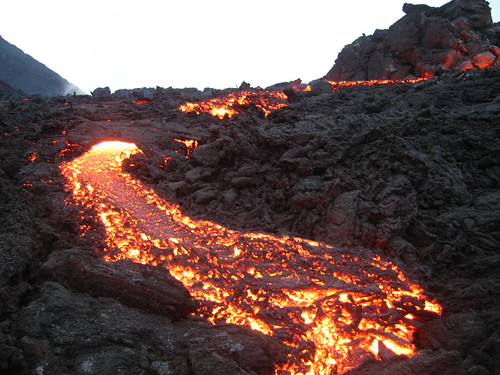 Now we are getting ready for our flight tomorrow morning for Peru. Cassie says she is going to go back through this and loot more pictures from the internet, to give a better idea of where we've been.